

Life is full of ups and downs. No one goes through it without facing challenges—whether it’s dealing with stress, loss, self-doubt, or major life changes. Yet, despite how common struggles are, many of us suffer in silence. That’s why open talks on struggles are so important. Sharing your experiences, fears, and challenges isn’t a sign of weakness—it’s a way to connect, heal, and grow.
In this article, I want to guide you through why talking about struggles matters, how to start these conversations, and the profound benefits it can bring to your life.
Why We Avoid Talking About Struggles
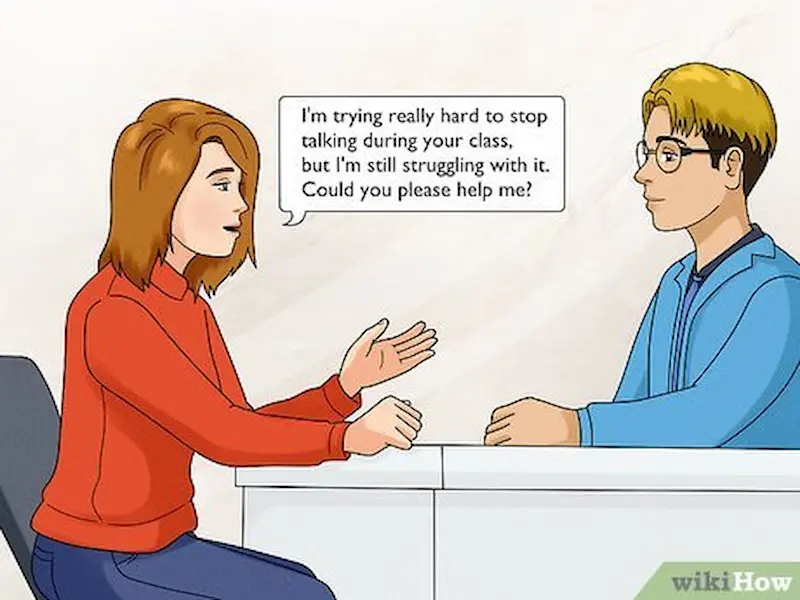
Before we dive into the benefits of open discussions, it’s important to understand why many of us avoid them.
- Fear of Judgment
We worry that others might think less of us if we admit we’re struggling. Society often glorifies strength and independence, making vulnerability feel like a weakness. - Shame and Guilt
Some challenges, like mental health issues or financial struggles, carry stigma. This can make it difficult to open up. - Not Wanting to Burden Others
We sometimes feel that sharing our struggles might weigh down friends or family. We think, “I should handle this on my own.” - Difficulty Expressing Feelings
Some people simply don’t know how to articulate their emotions or don’t feel safe doing so.
Recognizing these barriers is the first step toward overcoming them. Once we acknowledge why we hold back, it becomes easier to open up in a safe and supportive way.
The Importance of Open Talks on Struggles

Engaging in honest conversations about struggles can transform your mental and emotional well-being. Here’s why:
1. Breaking the Stigma
By talking about struggles openly, we normalize vulnerability. You’re showing others that it’s okay not to be perfect and that everyone faces challenges. Over time, this helps break down the societal stigma around mental health and personal difficulties.
2. Building Connection and Empathy
When you share your experiences, you invite others to do the same. This creates a sense of community and understanding. You may discover that someone else is going through a similar situation, which can foster empathy and reduce feelings of isolation.
3. Emotional Relief
Bottling up emotions can be exhausting. Open conversations act as a release, allowing you to express feelings and lighten your emotional load. Studies show that verbalizing emotions can reduce stress and improve mental clarity.
4. Gaining Perspective
Sometimes, we’re so close to a problem that it’s hard to see solutions. Talking to someone else offers a fresh perspective. They might provide advice, coping strategies, or simply a new way of looking at the situation that you hadn’t considered.
How to Start Open Talks on Struggles
Opening up about struggles can feel intimidating, but there are ways to make it easier. Here’s a step-by-step approach:
1. Find a Safe and Trustworthy Space
Choose someone you feel comfortable with—this could be a close friend, family member, mentor, or even a professional counselor. Safety and trust are key to having an honest conversation.
2. Start Small
You don’t have to share everything at once. Begin with the parts of your struggle that feel manageable. Over time, as trust and comfort grow, you can open up more deeply.
3. Practice Self-Compassion
Be kind to yourself when sharing. It’s normal to feel nervous or emotional. Remember, vulnerability is a strength, not a flaw.
4. Listen Actively
Open talks aren’t just about sharing your struggles—they’re also about listening. Allow the other person to share their experiences too. This mutual exchange fosters empathy and creates a supportive environment.
5. Use Creative Outlets
If talking verbally feels too hard, consider writing your feelings in a journal, composing a letter, or joining online support groups. Expressing yourself creatively can also serve as a form of open communication.
You may also like to read this:
Coping With Mental Health: Tools And Tips That Work
Emotional Health Tips For A Balanced, Calm, And Happy Life
Mental Wellness Guidance: Tips For A Balanced Mind
Honest Talks About Life: Real Lessons And Insights
Real Conversations Stories: Memorable Life Dialogues
Overcoming the Fear of Vulnerability
Many people hesitate to have open talks on struggles because they fear rejection, judgment, or appearing weak. Here are some ways to overcome that fear:
- Remind Yourself Everyone Struggles: Everyone has challenges, even if they don’t show them. You are not alone.
- Start with Someone You Trust: Sharing with a close friend first can help build confidence.
- Focus on Growth: Think of the conversation as a step toward healing rather than just a confession.
- Set Boundaries: You can choose how much to share and with whom. You are in control of your story.
The Profound Benefits of Open Talks
- Reduced Loneliness – Realizing that others face similar challenges can make you feel less isolated.
- Emotional Clarity – Talking helps you process emotions and understand your thoughts more clearly.
- Stronger Relationships – Vulnerability fosters trust and deepens connections.
- Increased Resilience – Each conversation helps build coping skills and emotional strength.
- Mental and Physical Health – Reducing stress through open communication positively impacts overall well-being.
Real-Life Examples
Consider someone struggling with anxiety. Keeping it inside might lead to sleepless nights and increased stress. But opening up to a friend, therapist, or support group can help them find practical coping strategies and emotional support. Similarly, someone dealing with career setbacks might gain valuable perspective and encouragement from an open discussion, turning challenges into opportunities for growth.
Final Thoughts
Engaging in open talks on struggles is not just a conversation—it’s a path toward healing, connection, and self-discovery. Life will always have its ups and downs, but we don’t have to face them alone. By sharing your story, listening to others, and creating safe spaces for vulnerability, you can transform struggles into sources of strength and resilience.
Start small. Reach out to someone you trust. Share a part of your journey today. You might be surprised by how much lighter life feels when you’re willing to open up and connect.
FAQs on Open Talks on Struggles
1. What are open talks on struggles?
Open talks on struggles are honest conversations where people share their challenges, hardships, or emotional difficulties with others. These talks can happen with friends, family, support groups, or even professionals like therapists. The goal is to create understanding, connection, and emotional relief.
2. Why is it important to talk about struggles?
Talking about struggles helps reduce stress, provides perspective, builds empathy, and fosters stronger relationships. It also helps break the stigma around mental health issues and shows others that it’s normal to face challenges.
3. Who should I talk to about my struggles?
You should start with someone you trust, like a close friend, family member, mentor, or therapist. The key is finding a safe and supportive environment where you feel comfortable being vulnerable.
4. What if I feel nervous about opening up?
Feeling nervous is completely normal. Start small, share what feels manageable, and gradually open up more. Remember, vulnerability is a strength, and taking small steps can help you build confidence over time.
5. Can talking about struggles really help my mental health?
Yes. Sharing your struggles reduces emotional burden, provides clarity, and helps you process difficult feelings. Studies show that expressing emotions openly can lower stress, improve mood, and even boost physical health.