
In today’s fast-paced world, stress, emotional exhaustion, and physical fatigue have become common challenges. Learning self healing methods can empower you to take control of your own well-being, improve your mental and physical health, and help you navigate life with more balance and clarity. These methods aren’t just about fixing problems—they’re about understanding yourself, cultivating inner peace, and fostering long-term resilience.
In this guide, we’ll explore practical and detailed techniques for self-healing that anyone can use. Think of this as a roadmap to reconnect with your mind, body, and spirit.
1. Mindfulness and Meditation: Training Your Mind to Heal
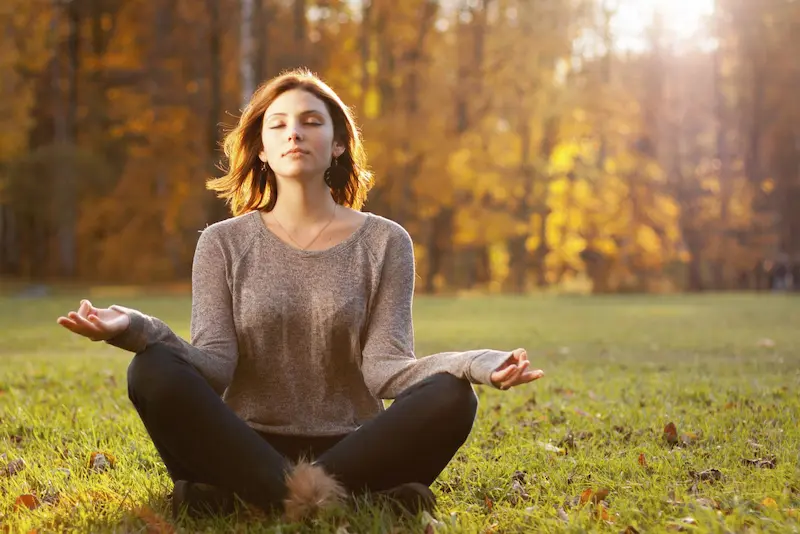
Mindfulness and meditation are at the core of most self healing methods. They teach you to observe your thoughts and feelings without judgment, allowing your mind to rest and reset.
- Why it works: Mindfulness reduces the overthinking and anxiety that often trigger stress responses in your body. Meditation strengthens your brain’s ability to regulate emotions.
- Step-by-step practice:
- Find a quiet place and sit comfortably.
- Close your eyes and focus on your breathing. Notice the rise and fall of your chest.
- When thoughts arise, acknowledge them, then gently return your focus to your breath.
- Start with 5–10 minutes daily and gradually increase to 20–30 minutes.
- Find a quiet place and sit comfortably.
- Extra tip: Guided meditations can help if you’re just starting. Apps like Insight Timer or Calm offer beginner-friendly sessions.
- Benefits:
- Reduced stress and anxiety
- Improved focus and emotional regulation
- Enhanced self-awareness and clarity
- Reduced stress and anxiety
2. Journaling: Writing Your Way to Emotional Clarity
Journaling is a powerful tool for self healing methods because it helps you release pent-up emotions and gain perspective on your life. Writing down your thoughts creates a safe space to process feelings that are otherwise difficult to express.
- How to start:
- Dedicate a notebook as your personal journal.
- Write freely about your day, challenges, fears, or hopes. Don’t censor yourself.
- End with reflections or gratitude to cultivate a positive mindset.
- Dedicate a notebook as your personal journal.
- Variations:
- Morning pages: Write three pages every morning to clear your mind.
- Emotion mapping: Identify your feelings, describe them, and explore their causes.
- Morning pages: Write three pages every morning to clear your mind.
- Benefits:
- Emotional release and stress reduction
- Clarity in decision-making
- Enhanced self-awareness
- Emotional release and stress reduction
3. Physical Activity: Move Your Body, Heal Your Mind

Your body and mind are deeply connected, which is why movement is a cornerstone of self healing methods. Exercise reduces cortisol (the stress hormone) and releases endorphins, your body’s natural mood boosters.
- Types of healing movement:
- Yoga: Combines stretching, breath control, and mindfulness.
- Walking or hiking: Gentle exercise that reconnects you with nature.
- Dance or aerobics: Express emotions and release tension.
- Yoga: Combines stretching, breath control, and mindfulness.
- Tips for starting:
- Begin with 20–30 minutes a day.
- Listen to your body—don’t push beyond comfort.
- Incorporate stretching at home for flexibility and relaxation.
- Begin with 20–30 minutes a day.
- Benefits:
- Increased energy and vitality
- Reduced anxiety and depression symptoms
- Physical health improvements (heart, muscles, flexibility)
- Increased energy and vitality
4. Gratitude Practice: Shifting Your Mindset
Gratitude is a subtle but effective self healing method. By focusing on what’s good in your life, you train your mind to notice positivity rather than dwelling on negativity.
- How to start:
- Each day, write down 3–5 things you’re grateful for.
- Include small things, like a warm shower, a smile, or a kind gesture.
- Each day, write down 3–5 things you’re grateful for.
- Benefits:
- Enhanced mood and emotional resilience
- Improved relationships
- Reduced stress and increased satisfaction with life
- Enhanced mood and emotional resilience
- Extra tip: Pair gratitude with journaling to deepen reflection and self-awareness.
You may also like to read this:
Honest Opinions Articles: Tips For Authentic Writing
Raw Personal Talks: Honest Conversations That Connect
Healing Journey Stories: Inspiring Real-Life Recovery
Practical Paths To Emotional Healing And Self-Care Tips
Discover Recovery And Healing Stories That Transform Lives
5. Energy Healing Techniques: Restoring Balance from Within
Energy-based practices focus on unblocking and balancing your body’s natural energy flow. Many people find energy healing transformative as a self healing method.
- Popular techniques:
- Reiki: Hands-on or distance healing that balances energy.
- Chakra balancing: Focuses on aligning energy centers to improve emotional and physical health.
- Sound healing: Using instruments or frequencies to promote relaxation.
- Reiki: Hands-on or distance healing that balances energy.
- Benefits:
- Emotional release and inner calm
- Increased sense of harmony and connection
- Supports overall well-being
- Emotional release and inner calm
- How to start at home: Try guided energy meditations, or take beginner classes in Reiki or chakra work.
6. Deep Breathing and Relaxation Exercises
Deep breathing can immediately reduce stress by sending signals to your nervous system to relax. Incorporating breathing exercises is one of the simplest self healing methods you can do anywhere.
- Techniques to try:
- Box breathing: Inhale 4 counts, hold 4 counts, exhale 4 counts, hold 4 counts. Repeat.
- Diaphragmatic breathing: Focus on filling your lower lungs and expanding your belly as you inhale.
- Box breathing: Inhale 4 counts, hold 4 counts, exhale 4 counts, hold 4 counts. Repeat.
- Benefits:
- Lowers blood pressure
- Reduces anxiety
- Improves focus and mental clarity
- Lowers blood pressure
7. Nature Therapy: Healing Through Connection
Spending time in nature can profoundly impact your mental and physical health. This method uses the natural environment as a form of therapy.
- How to incorporate:
- Take daily walks in the park.
- Hike, swim, or simply sit under a tree and observe your surroundings.
- Avoid digital distractions to fully immerse yourself.
- Take daily walks in the park.
- Benefits:
- Reduced stress and mental fatigue
- Improved mood and creativity
- Strengthened sense of connection to life
- Reduced stress and mental fatigue
8. Creative Expression: Art as Therapy
Creativity allows you to express emotions that might be difficult to verbalize. Engaging in creative activities is a fun and effective self healing method.
- Activities to explore:
- Drawing, painting, or sculpting
- Writing poetry, short stories, or journaling
- Playing an instrument or dancing
- Drawing, painting, or sculpting
- Benefits:
- Emotional release and catharsis
- Enhanced self-expression
- Increased joy and self-esteem
- Emotional release and catharsis
9. Self-Compassion and Affirmations
Healing is also about how you treat yourself. Practicing self-compassion and positive affirmations nurtures your inner self and reinforces emotional resilience.
- How to start:
- Begin each day with affirmations like “I am worthy,” or “I am healing at my own pace.”
- Practice forgiveness toward yourself for past mistakes.
- Begin each day with affirmations like “I am worthy,” or “I am healing at my own pace.”
- Benefits:
- Reduced negative self-talk
- Greater self-acceptance and confidence
- Emotional resilience during challenging times
- Reduced negative self-talk
10. Nutrition and Rest: Healing from the Inside Out
Your body’s physical health directly affects your mental and emotional state. Eating well and getting sufficient rest are essential self healing methods.
- Tips:
- Eat a balanced diet rich in fruits, vegetables, whole grains, and lean protein.
- Stay hydrated throughout the day.
- Aim for 7–9 hours of sleep per night, maintaining a consistent sleep schedule.
- Eat a balanced diet rich in fruits, vegetables, whole grains, and lean protein.
- Benefits:
- Increased energy levels
- Stronger immune system
- Improved mood, focus, and resilience
- Increased energy levels
Final Thoughts
Self healing methods are about empowerment, self-awareness, and consistent care for your mind, body, and soul. Healing doesn’t happen overnight, and it’s perfectly okay to take small, gradual steps. The most important part is to start and to keep exploring practices that resonate with you.
Remember, self-healing is a journey, not a destination. By integrating these methods into your daily routine, you are giving yourself the gift of long-lasting balance, peace, and happiness.
FAQs About Self Healing Methods
Q1: How long does it take to see results?
A: Results vary. Some feel relief in days, while others notice gradual improvements over weeks. Patience and consistency are key.
Q2: Can self healing methods replace therapy or medical treatment?
A: They complement professional care but do not replace it. For severe emotional or physical issues, consult a professional.
Q3: Are these methods expensive or require special tools?
A: Most self-healing methods, like meditation, journaling, and breathing exercises, require no cost or tools.
Q4: Can self healing methods improve physical health?
A: Absolutely. Yoga, nutrition, exercise, and relaxation directly benefit both body and mind.