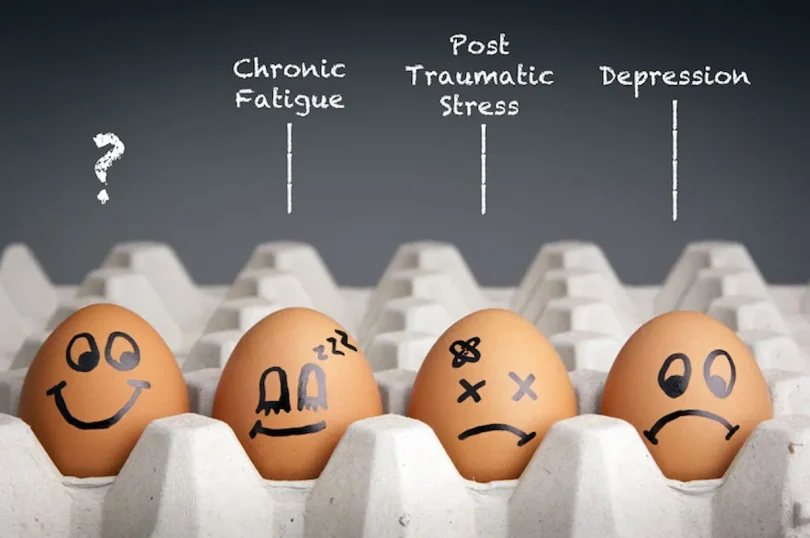

When it comes to coping with mental health, it’s normal to feel uncertain, especially when life feels overwhelming. Mental health affects how we think, feel, and behave every day, influencing our relationships, work, and overall well-being. Just like physical health, mental health requires attention, care, and regular maintenance. The good news is that coping doesn’t have to be complicated. Small, consistent actions can make a big difference in how you feel, and you don’t have to face it alone.
In this guide, we’ll explore practical strategies, daily habits, and professional resources that can help you cope with mental health challenges and build resilience over time.
Understanding Mental Health
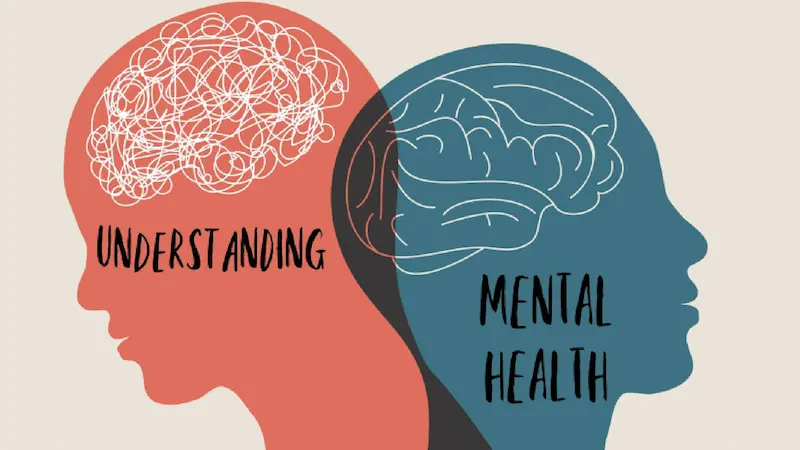
Before we dive into strategies for coping with mental health, it’s important to understand what it really means. Mental health refers to your emotional, psychological, and social well-being. It affects:
- How you think and perceive the world
- How you manage emotions, like stress, sadness, or anger
- How you interact with others and maintain relationships
Everyone experiences mental health fluctuations. Some days might feel stressful or anxious, while other days feel balanced and calm. Accepting this natural ebb and flow is a key step in taking care of yourself.
Common Mental Health Challenges
Many people struggle with mental health issues at some point in their lives. Some common challenges include:
- Anxiety: Persistent worry, restlessness, or tension.
- Depression: Feelings of sadness, emptiness, or lack of interest in activities you once enjoyed.
- Stress: Feeling overwhelmed by work, relationships, or life events.
- Burnout: Emotional and physical exhaustion, often from prolonged stress.
Understanding what you’re experiencing can help you choose the right coping strategies and seek appropriate support.
Practical Strategies for Coping with Mental Health

Here are effective ways to start coping with mental health in a user-friendly, approachable way:
1. Talk About Your Feelings
It might sound simple, but sharing how you feel with someone you trust—whether a friend, family member, or therapist—can be incredibly healing. Talking helps:
- Process emotions
- Reduce feelings of isolation
- Gain new perspectives
Tip: If speaking feels difficult, start with writing your thoughts in a journal. Then, when ready, share a small portion with someone supportive.
2. Practice Mindfulness and Relaxation Techniques
Mindfulness means paying attention to the present moment without judgment. It helps calm racing thoughts and reduces anxiety. Some ways to practice mindfulness include:
- Meditation: Even 5–10 minutes daily can improve focus and reduce stress.
- Deep Breathing: Try the 4-7-8 technique—inhale for 4 seconds, hold for 7, exhale for 8.
- Mindful Walking: Pay attention to your steps, the air around you, and sounds you hear.
Mindfulness can be integrated into daily life, turning ordinary moments into opportunities to relax and center yourself.
3. Stay Physically Active
Exercise is not just for the body—it’s powerful for the mind. Physical activity releases endorphins, which are natural mood boosters. Even small amounts of movement can help:
- Reduce anxiety and depression
- Increase energy and focus
- Improve sleep quality
Try this: Take a short walk during your lunch break, stretch for 10 minutes in the morning, or dance to your favorite song.
4. Set Healthy Boundaries
Coping with mental health often means protecting your energy. Setting boundaries helps prevent burnout and emotional drain. Consider:
- Limiting time on social media if it causes stress
- Saying no to extra commitments when overwhelmed
- Communicating clearly about your needs in relationships
Boundaries are not selfish—they are essential for mental well-being.
5. Create a Consistent Routine
A predictable daily routine provides stability and reduces stress. Simple routines can include:
- Sleep schedule: Aim for 7–9 hours per night
- Balanced meals: Regular, nutritious food supports brain health
- Relaxation time: Dedicate 20–30 minutes daily to activities that calm you
Even small, consistent habits can make a noticeable difference over time.
6. Engage in Activities You Enjoy
Hobbies and creative pursuits offer a healthy escape from stress. Doing things you enjoy can help you feel accomplished and fulfilled. Some ideas include:
- Reading or writing
- Cooking or baking
- Painting, drawing, or crafting
- Gardening or spending time in nature
Even dedicating 15 minutes a day to a hobby can improve mood and overall mental health.
7. Use Coping Tools and Techniques
There are many tools you can use to manage emotions and stress:
- Journaling: Track moods, triggers, and thoughts
- Gratitude practice: Write 2–3 things you’re thankful for each day
- Positive affirmations: Repeat encouraging statements like “I am doing my best”
These tools help you shift your focus from negative patterns to positive ones.
8. Seek Professional Support
Sometimes self-care isn’t enough, and professional help is the best option. Therapists, counselors, and support groups can:
- Provide coping strategies tailored to you
- Offer a safe space to process emotions
- Help manage conditions like anxiety, depression, or trauma
Remember, seeking help is a sign of strength, not weakness.
You may also like to read this:
Emotional Personal Stories: Touch Hearts And Inspire Others
Real People Life Stories To Inspire, Educate, And Empower
Mental Health Awareness: Tips For Emotional Well-Being
Practical Mental Health Support Tips For Everyday Life
Inspiring Mental Health Stories Everyone Should Read
Coping with Mental Health in Difficult Times
Life can be especially challenging during major transitions, loss, or crises. Here are some tips for tough times:
- Acknowledge your feelings: Accepting emotions is healthier than suppressing them.
- Break tasks into small steps: Focus on one manageable task at a time.
- Practice self-compassion: Treat yourself kindly, like you would a friend.
- Stay connected: Even a short conversation with a supportive person can help.
Daily Habits to Boost Mental Well-Being
Building consistent habits supports long-term mental health:
- Limit screen time to reduce stress and improve sleep
- Stay hydrated and maintain a balanced diet
- Exercise regularly, even light activity
- Engage in social activities to foster connection
- Reflect daily on small wins and progress
Small, repeated actions can have a huge impact over time.
Final Thoughts
Coping with mental health is a journey that requires patience, self-awareness, and practice. There’s no one-size-fits-all solution, and what works for one person may not work for another. The key is to explore strategies, try new approaches, and prioritize your mental well-being.
Remember, you are not alone.
Whether through self-care routines, support from friends and family, or professional guidance, there are many ways to navigate mental health challenges. Every small step counts, and seeking help is a brave and important part of the process.
FAQs About Coping with Mental Health
1. What is the best way to start coping with mental health challenges?
The best way to start is by acknowledging your feelings and being kind to yourself. Begin with small steps like talking to someone you trust, keeping a journal, or practicing short mindfulness exercises. Remember, coping is a journey—there’s no rush.
2. How can I cope with anxiety?
Anxiety can feel overwhelming, but there are practical strategies to manage it:
Deep breathing exercises (like the 4-7-8 method)
Mindfulness meditation to stay present
Physical activity to release tension
Limiting stimulants like caffeine or excessive screen time
If anxiety persists, seeking professional help from a therapist is highly recommended.
3. What should I do if I feel depressed?
When dealing with depression:
Reach out to someone you trust and talk about your feelings
Set small, achievable daily goals
Engage in activities you enjoy, even if motivation is low
Maintain a regular sleep schedule
Professional support can be crucial, as therapists can provide effective treatment options like therapy or counseling.
4. How do I manage stress in daily life?
Stress can be managed by:
Practicing time management and prioritizing tasks
Taking short breaks during work or study sessions
Using relaxation techniques, such as meditation or deep breathing
Maintaining a healthy lifestyle with exercise, nutrition, and sleep
5. Is it normal to struggle with mental health sometimes?
Absolutely. Everyone experiences fluctuations in mental health. Stressful events, lifestyle changes, or even hormonal shifts can affect how we feel. The key is to recognize when support is needed and take proactive steps to cope.