
Mental health stories have the power to connect us in ways few other things can. They give a voice to struggles that are often invisible and help people realize they are not alone. From anxiety and depression to trauma and everyday stress, sharing personal experiences can be both therapeutic for the storyteller and comforting for the listener.
In this article, we’ll dive deep into why mental health stories matter, share inspiring real-life examples, and provide tips for sharing and learning from them.
Why Mental Health Stories Are Important

Mental health issues affect millions of people worldwide, yet many people still face stigma, judgment, or misunderstanding when they try to speak up. Mental health stories help bridge that gap by:
- Normalizing mental health struggles: Hearing that someone else has faced similar challenges makes it easier to accept your own feelings.
- Providing hope: Stories of recovery, coping, and resilience can inspire others to seek help and believe in their own strength.
- Promoting empathy and understanding: When people read or hear these stories, they gain a deeper understanding of the realities of mental health challenges.
- Offering practical insights: Stories often include tips, coping strategies, and advice that can help others navigate their own journey.
Sharing these stories doesn’t have to be public—it can be a conversation with a friend, a post on social media, or a contribution to a support group. Every story counts, no matter how small it may seem.
Inspiring Real-Life Mental Health Stories
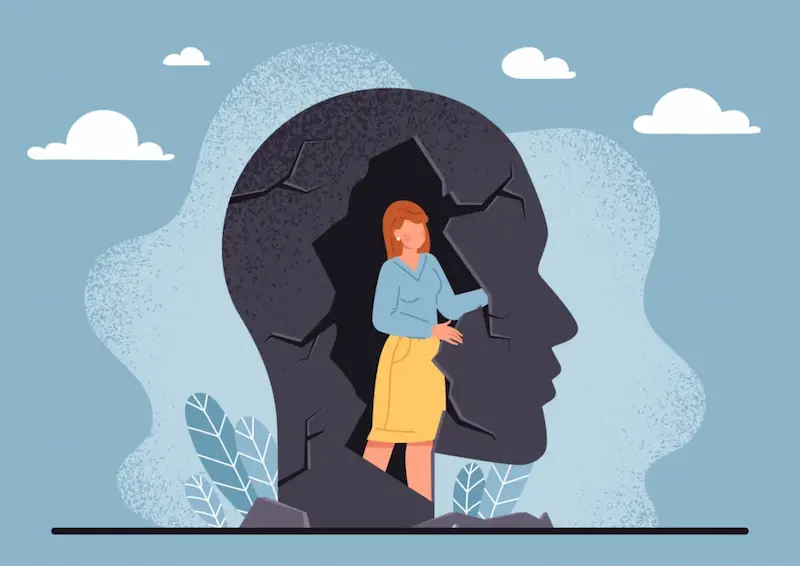
Here are some examples that illustrate how sharing experiences can help both the storyteller and the audience.
1. Overcoming Anxiety
Sarah’s Story: Sarah, a college student, experienced severe anxiety that made attending classes or participating in social activities almost impossible. At first, she isolated herself, believing that no one could understand. One day, she decided to share her feelings in a campus support group. Hearing other students’ stories gave her comfort and perspective. She gradually started therapy and practiced meditation and mindfulness exercises. Over time, Sarah became confident enough to mentor other students struggling with anxiety, showing that sharing her story transformed not just her life, but the lives of others too.
Key Takeaway: Sharing even small parts of your story can create connections and support systems.
2. Living with Depression
Mark’s Story: Mark, a software engineer, battled depression for several years. He often felt isolated, misunderstood, and hopeless. Discovering an online community where people openly discussed depression was life-changing. He realized that his feelings were valid, and that seeking help wasn’t a sign of weakness. Therapy, medication, and peer support helped him manage his symptoms. Today, Mark shares his experiences through blog posts and podcasts, offering guidance to others who may feel alone.
Key Takeaway: Online communities can be a safe space to share and learn, reducing feelings of isolation.
3. Coping with Trauma
Laila’s Story: Laila endured a traumatic childhood experience that led to PTSD in adulthood. For years, she avoided discussing her trauma out of fear and shame. She joined therapy and storytelling workshops, which helped her express her emotions safely. By sharing her story, Laila found empowerment and a sense of purpose, educating others about trauma recovery. Her journey demonstrates how vulnerability can be a source of strength.
Key Takeaway: Sharing trauma stories can educate, inspire, and build resilience in both the storyteller and the audience.
4. Everyday Mental Health Challenges
Not all mental health stories involve extreme experiences. Everyday struggles—like stress from work, relationship challenges, or coping with loneliness—also matter. Sharing these stories can normalize common experiences and provide practical solutions, such as time management tips, meditation practices, or communication strategies.
Example: Ravi, a young professional, shared on social media how he managed work stress using journaling and mindfulness. His story encouraged colleagues to adopt similar strategies, creating a supportive workplace environment.
You may also like to read this:
Inspirational Personal Stories of Success and Determination
Emotional Personal Stories: Touch Hearts And Inspire Others
Real People Life Stories To Inspire, Educate, And Empower
Mental Health Awareness: Tips For Emotional Well-Being
Practical Mental Health Support Tips For Everyday Life
How Sharing Your Mental Health Story Can Help
Sharing your mental health story isn’t just therapeutic—it can have far-reaching positive effects:
- Help others feel less alone: Hearing someone else’s experience can validate feelings and reduce isolation.
- Reduce stigma: Open conversations show that mental health struggles are normal, not shameful.
- Encourage self-reflection and healing: Telling your story can help you process emotions and track progress.
- Build supportive communities: Stories foster empathy and encourage others to share their own experiences.
Even if you don’t feel ready to share publicly, private methods like journaling, therapy, or support groups can be just as impactful.
Practical Tips for Sharing Your Mental Health Story
If you want to share your journey, consider these tips:
- Start Small: Begin by journaling or talking with a trusted friend before sharing publicly.
- Protect Your Boundaries: Only share what feels safe and comfortable. You don’t have to disclose every detail.
- Highlight Growth and Resilience: Focus on coping strategies, lessons learned, and moments of progress.
- Invite Dialogue: Encourage questions, discussions, and shared experiences to create connection.
- Provide Resources: Include hotlines, therapy services, or online communities to help others who might be inspired to seek help.
Where to Share Mental Health Stories
- Social Media Platforms: Instagram, Facebook, and TikTok have communities that promote mental health awareness.
- Blogs and Personal Websites: Writing a detailed post allows for reflection and outreach.
- Support Groups: Local or online groups provide safe spaces to share experiences.
- Podcasts or Videos: Audio and video stories are highly relatable and can reach a wider audience.
Mental Health Stories Are for Everyone
Mental health stories aren’t just for those facing challenges—they’re for everyone. Listening to stories of resilience fosters empathy, strengthens relationships, and creates communities where mental well-being is valued. Sharing your story or listening to others can remind you that you’re not alone and that healing is always possible.
FAQs About Mental Health Stories
Q1: Can sharing mental health stories trigger negative emotions?
Yes, it can. Sometimes talking about past experiences can bring up intense emotions. It’s important to have support in place, like a friend, therapist, or online community.
Q2: Are mental health stories only for people with severe issues?
No! Mental health stories can include everyday struggles like stress, anxiety, or emotional exhaustion. Every experience is valid and worth sharing.
Q3: How can I start sharing my mental health story?
Start small. Journaling, talking to a trusted friend, or posting anonymously in an online support group are good first steps. Gradually, you can share more openly.
Q4: Where can I find inspiring mental health stories?
You can find them in blogs, podcasts, social media communities, support groups, and mental health organizations. Reading or listening to these stories can inspire and guide your own journey.
Final Thoughts
Mental health stories are powerful tools for healing, awareness, and connection. Whether you share your story or listen to others, every experience adds value. By opening up about mental health challenges, you help reduce stigma, create understanding, and inspire hope.
Remember, everyone has a story worth telling, and your voice could be the reason someone else feels less alone today.