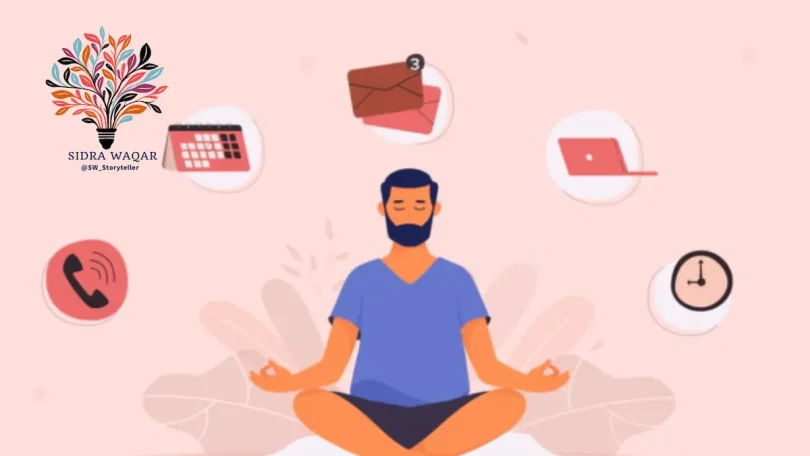

Taking care of your mental health is more important than ever in today’s fast-paced world. Stress, anxiety, and feelings of overwhelm can affect anyone, regardless of age or background. That’s why mental health support tips are essential—they give you practical ways to maintain emotional well-being, build resilience, and cope with challenges.
In this guide, we’ll talk directly to you, step by step, so you can understand, practice, and benefit from mental health care every day.
1. Understand the Importance of Mental Health
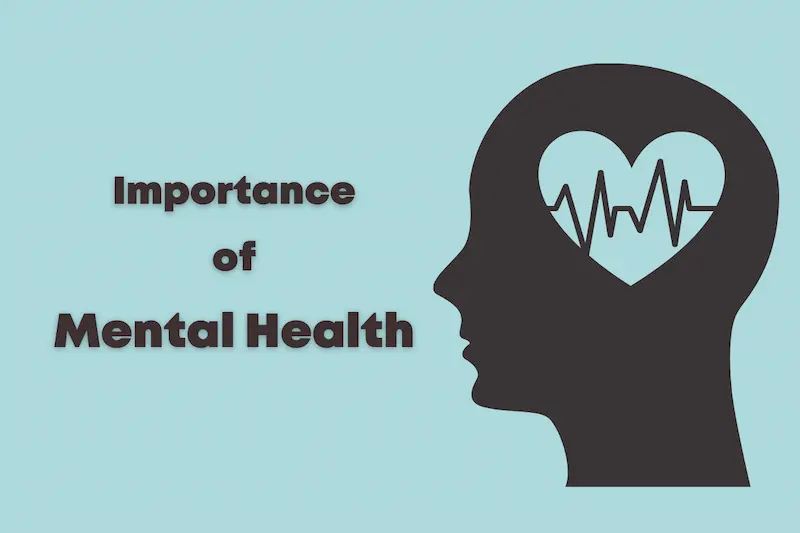
Mental health is often overlooked, but it is the foundation for living a balanced and fulfilling life. Just as you wouldn’t ignore a persistent physical pain, you shouldn’t ignore emotional or psychological stress. Poor mental health can affect your relationships, work performance, sleep, and even your physical health.
Key steps to awareness:
- Reflect daily: Ask yourself, “How am I feeling emotionally today?”
- Observe patterns: Keep a journal to track moods, triggers, and reactions.
- Accept your feelings: Mental health isn’t about being “happy” all the time—it’s about understanding and managing your emotions.
Being aware of your mental state helps you recognize when support is needed, which is the first step toward maintaining a healthy mind.
2. Build a Strong Support Network
One of the most effective mental health support tips is surrounding yourself with people who care about you and listen without judgment. Social support has been shown to reduce stress, improve mood, and even increase resilience to life’s challenges.
Ways to build your support network:
- Family and friends: Share your feelings with trusted people. Even small talks can relieve emotional burdens.
- Support groups: These can be in-person or online communities where people discuss similar struggles.
- Professional help: Therapists, counselors, and psychologists provide structured support and tools to navigate difficult emotions.
Remember, asking for help doesn’t mean you’re weak—it means you value yourself enough to take care of your mind.
3. Practice Daily Self-Care

Self-care is more than occasional pampering. It’s about creating routines and habits that protect your mental well-being. A consistent self-care routine can reduce stress, boost confidence, and improve your emotional resilience.
Practical self-care ideas:
- Exercise: Regular physical activity releases endorphins, which naturally improve mood. Even a 10-minute walk counts.
- Sleep: Prioritize 7–9 hours of quality sleep. Poor sleep can worsen anxiety and depression.
- Nutrition: Balanced meals impact brain function and emotional stability. Avoid excessive sugar or processed foods.
- Relaxation: Meditation, yoga, or deep breathing exercises calm your mind and body.
- Creative outlets: Journaling, painting, or playing music can help you process emotions.
Consistency is key—small daily actions are more effective than occasional grand gestures.
4. Manage and Reduce Stress
Stress is a part of life, but chronic stress can negatively impact your mental health. Learning to manage it is essential.
Effective stress management techniques:
- Set boundaries: Say “no” when needed and protect your personal time.
- Time management: Break tasks into smaller, manageable steps instead of overwhelming yourself.
- Digital detox: Limit exposure to social media or news that triggers anxiety.
- Relaxation techniques: Try breathing exercises, guided meditations, or mindfulness practices.
By identifying stress triggers and responding thoughtfully, you can prevent them from taking over your life.
5. Seek Professional Help When Necessary
Sometimes, self-care and support from friends are not enough—and that’s okay. Professional mental health support can provide deeper insights and coping strategies.
Who can help:
- Therapists and counselors: They provide guidance for anxiety, depression, trauma, and other challenges.
- Psychiatrists: Medical doctors who can prescribe medication if needed.
- Helplines and online therapy platforms: Accessible 24/7 for immediate support.
Seeking professional help is a proactive step—it shows you care about your well-being and are willing to invest in yourself.
You may also like to read this:
True Personal Experiences: Lessons, Growth, And Life Stories
Inspirational Personal Stories of Success and Determination
Emotional Personal Stories: Touch Hearts And Inspire Others
Real People Life Stories To Inspire, Educate, And Empower
Mental Health Awareness: Tips For Emotional Well-Being
6. Practice Mindfulness and Gratitude
Mindfulness and gratitude are simple yet powerful tools to improve mental health. They train your mind to focus on the present moment and appreciate positive aspects of life.
How to practice:
- Mindful breathing: Spend 5 minutes focusing on your breath. Notice each inhale and exhale.
- Gratitude journal: Write 3 things you’re grateful for every day.
- Focus on small wins: Celebrate accomplishments, no matter how minor they seem.
These habits strengthen emotional resilience and reduce anxiety by helping you live in the moment instead of worrying about the past or future.
7. Keep Learning and Growing
Mental health is a journey, not a destination. The more you understand about yourself and the strategies to cope, the stronger you become.
Ways to grow:
- Read books and articles on mental health, emotional intelligence, and personal development.
- Attend workshops or webinars focused on stress management, mindfulness, or resilience.
- Explore hobbies and skills: New challenges build confidence and reduce negative thinking.
Continuous learning equips you with tools to face life’s ups and downs more effectively.
8. Adopt Healthy Lifestyle Habits
Your lifestyle plays a huge role in mental health. Healthy routines help balance your emotions and maintain energy levels.
Key habits include:
- Regular physical activity
- Balanced nutrition rich in fruits, vegetables, and proteins
- Adequate hydration
- Limiting alcohol, caffeine, and nicotine
- Prioritizing sleep hygiene
These habits strengthen your mind and body, making it easier to cope with stress and anxiety.
Conclusion
Caring for your mental health is an ongoing process, and mental health support tips are essential tools to guide you. From building a strong support network to practicing self-care, managing stress, seeking professional help, staying mindful, and maintaining a healthy lifestyle—every step counts.
Remember, your mental health deserves attention and care, just like your physical health. By implementing these strategies, you can develop resilience, improve your emotional well-being, and lead a more balanced, fulfilling life. Take small steps today, and your future self will thank you.
FAQs on Mental Health Support Tips
1. What are mental health support tips?
They are practical strategies to maintain or improve your emotional well-being, like self-care, stress management, mindfulness, and seeking professional help.
2. How do I know if I need mental health support?
Signs include persistent sadness, anxiety, irritability, sleep or appetite changes, difficulty focusing, or feeling overwhelmed.
3. Can self-care really help?
Yes. Daily habits like exercise, healthy eating, adequate sleep, and relaxation activities reduce stress and improve mood.
4. How do I find the right mental health professional?
Look for credentials, specialties, accessibility, and someone you feel comfortable talking to. Referrals from friends or doctors help.
5. Does mindfulness and gratitude work?
Yes. Mindfulness keeps you present, and gratitude boosts positivity. Just a few minutes daily can improve emotional well-being.