
Mental health awareness is not just a trending topic or something we talk about once a year—it’s an everyday reality that touches every part of our lives. Whether you’re dealing with stress from work, family pressure, relationship struggles, or moments of self-doubt, mental health plays a role in how you feel, think, and function.
Let’s talk about it openly, honestly, and in a way that feels supportive—like a real conversation, not a lecture.
Understanding Mental Health in Everyday Life

Mental health includes our emotional, psychological, and social well-being. It affects how we handle stress, relate to others, make decisions, and cope with challenges. Just like physical health, mental health exists on a spectrum. Some days we feel strong and balanced, and other days we may feel anxious, low, or overwhelmed—and that’s completely normal.
Mental health awareness helps us understand that struggling mentally does not mean something is “wrong” with us. It simply means we are human and responding to life’s pressures.
Why Mental Health Awareness Is So Important Today
In today’s fast-paced world, mental health challenges are increasing. Constant screen time, social media comparison, financial pressure, academic stress, and global uncertainty can take a serious toll on our minds. Mental health awareness matters because it:
- Encourages people to talk openly instead of suffering in silence
- Helps identify problems early, before they become severe
- Promotes empathy, patience, and understanding in society
- Supports healthier families, workplaces, and communities
When mental health awareness grows, people feel less alone and more willing to seek help.
Common Mental Health Conditions Explained Simply
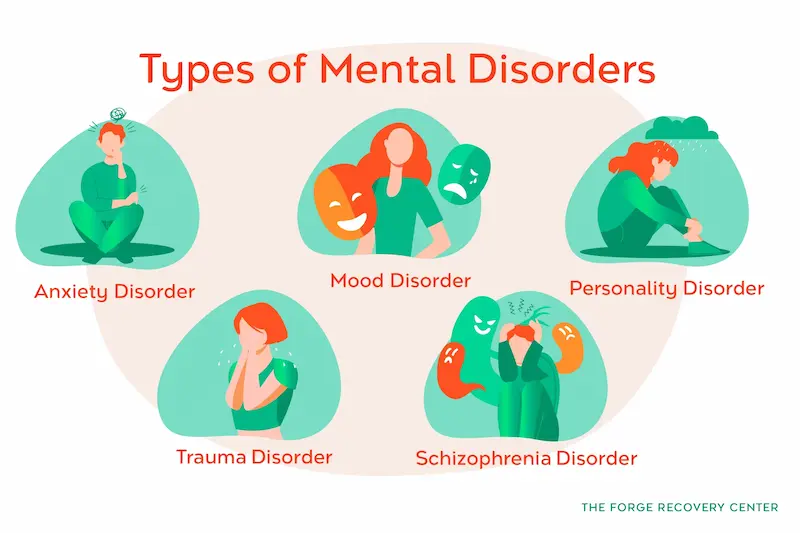
Mental health conditions can affect anyone, and knowing about them helps remove fear and misunderstanding.
Anxiety Disorders
Anxiety is more than just feeling nervous. It can include constant worry, racing thoughts, panic attacks, and physical symptoms like a fast heartbeat or shortness of breath.
Depression
Depression goes beyond sadness. It can cause long-lasting low mood, loss of interest in daily activities, tiredness, and feelings of worthlessness.
Stress and Burnout
Chronic stress and burnout often come from work pressure, caregiving, or academic demands. People may feel emotionally drained, unmotivated, or disconnected.
Trauma and PTSD
Traumatic experiences can leave deep emotional scars. People may relive painful memories, avoid certain situations, or feel constantly on edge.
Mental health awareness teaches us that these conditions are real, valid, and treatable.
Signs That Someone May Be Struggling With Their Mental Health
Sometimes people don’t know how to ask for help, so their behavior speaks for them. Common signs include:
- Withdrawing from friends or social activities
- Sudden changes in mood or personality
- Trouble sleeping or sleeping too much
- Changes in appetite or energy levels
- Feeling hopeless, helpless, or overwhelmed
- Difficulty focusing or making decisions
Recognizing these signs through mental health awareness allows us to respond with care instead of judgment.
You may also like to read this:
Real Life Personal Stories That Inspire And Motivate
True Personal Experiences: Lessons, Growth, And Life Stories
Inspirational Personal Stories of Success and Determination
Emotional Personal Stories: Touch Hearts And Inspire Others
Real People Life Stories To Inspire, Educate, And Empower
The Importance of Talking About Mental Health
Silence is one of the biggest barriers to healing. When mental health is treated as a taboo topic, people feel isolated and ashamed. Talking openly helps normalize these experiences and reminds us that we are not weak for feeling the way we do.
Even simple conversations—sharing how your day really went or checking in on a friend—can create emotional relief and connection.
How to Take Care of Your Mental Health Daily
Mental health self-care doesn’t mean fixing everything at once. It’s about small, consistent habits that support your well-being:
- Make time to rest and recharge without guilt
- Stay connected with people who make you feel safe
- Practice mindfulness, prayer, journaling, or deep breathing
- Set healthy boundaries at work and in relationships
- Reduce exposure to negativity, including harmful social media content
- Seek professional help when emotions feel unmanageable
Mental health awareness reminds us that asking for help is a sign of strength, not failure.
Supporting Others Through Mental Health Awareness
You don’t need to be an expert to help someone. Sometimes, being there is enough. You can support others by:
- Listening without interrupting or judging
- Validating their feelings instead of minimizing them
- Encouraging professional support when needed
- Being patient—healing takes time
Your understanding presence can be more powerful than you realize.
Breaking the Stigma Around Mental Health
Stigma is built on myths and fear. Mental health awareness helps break stigma by replacing misinformation with education and compassion. Mental illness is not a personal flaw, a lack of faith, or a weakness—it’s a health condition that deserves care and respect.
When we speak openly and support one another, we make it easier for everyone to seek help.
The Role of Mental Health Awareness in Society
Mental health awareness doesn’t just help individuals—it strengthens communities. Schools, workplaces, and families that prioritize mental health create safer and more supportive environments. Policies, education, and open dialogue can lead to better access to care and healthier societies overall.
Final Thoughts
Mental health awareness is about choosing empathy over judgment, conversation over silence, and support over shame. It reminds us that mental health is a shared human experience, and no one should face it alone.
If you’re struggling, please know this: your feelings matter, help is available, and brighter days are possible. And if you’re doing okay right now, your awareness and kindness could be exactly what someone else needs.
FAQs on Mental Health Awareness
1. What is mental health awareness?
Mental health awareness means understanding mental health, recognizing emotional and psychological challenges, and promoting open conversations without stigma. It helps people learn that mental health is as important as physical health and that seeking help is normal and necessary.
2. Why is mental health awareness important?
Mental health awareness is important because it reduces stigma, encourages people to seek help early, improves emotional well-being, and helps build supportive families, workplaces, and communities. Awareness can literally save lives by promoting timely support.
3. What are common mental health problems?
Some common mental health problems include anxiety disorders, depression, stress, burnout, trauma-related disorders, and mood disorders. These conditions can affect anyone and are treatable with the right support and care.
4. How can I tell if someone is struggling with mental health?
Signs may include mood changes, withdrawal from social activities, changes in sleep or appetite, low energy, constant worry, or feelings of hopelessness. Mental health awareness helps people recognize these signs early and respond with care.
5. How can I improve my mental health?
You can improve your mental health by talking about your feelings, practicing self-care, maintaining healthy routines, setting boundaries, reducing stress, and seeking professional help when needed. Small, consistent steps make a big difference.