

Have you ever come across a story that made your heart race, brought tears to your eyes, or left you reflecting deeply on your own life? That’s the power of emotional personal stories. These stories aren’t just tales—they’re raw experiences, filled with feelings, struggles, and triumphs. They connect us in ways that facts or general narratives cannot.
Emotional personal stories allow us to step into someone else’s life, understand their challenges, celebrate their victories, and sometimes even find healing for our own experiences. Whether you’re reading them online, hearing them in a conversation, or sharing your own journey, these stories have the power to resonate deeply with anyone. In this article, we’ll explore what emotional personal stories are, why they matter, and how to share your own in a way that impacts others.
What Are Emotional Personal Stories?

At their core, emotional personal stories are narratives based on real-life experiences that evoke strong emotions. They may describe joy, sorrow, fear, love, or hope. Unlike fictional stories, they are rooted in authenticity—they come from lived experiences, which makes them relatable and moving.
For instance, consider someone sharing their journey of recovering from a serious illness. It’s not just the facts of treatment and recovery that matter—it’s the emotional journey: the fear, uncertainty, determination, and hope. This emotional depth allows readers to connect, reflect, and even learn lessons from the storyteller’s experience.
Why Emotional Personal Stories Matter
Emotional personal stories hold a unique power because they touch the human heart in ways ordinary communication cannot. Here’s why they matter:
1. They Build Empathy
When you read or hear someone’s emotional personal story, you naturally put yourself in their shoes. You feel their pain, their joy, their fears, and their hopes. This fosters empathy, making us more compassionate and understanding individuals.
2. They Inspire and Motivate
Stories of personal struggles and triumphs are incredibly motivating. Knowing someone overcame obstacles similar to your own can give you courage to face challenges in your life. Emotional personal stories act as mirrors, showing us that resilience and growth are possible.
3. They Provide Healing
Sharing your own emotional experiences can be therapeutic. Writing down your struggles or recounting them to a trusted person allows you to process your emotions, gain clarity, and even find closure. Many psychologists and therapists encourage storytelling as a healing tool.
4. They Connect People
In today’s world, many people feel isolated despite being constantly connected online. Emotional personal stories remind us that we are not alone. They create bonds between individuals, helping strangers relate to each other in meaningful ways.
5. They Preserve Memories
Emotional personal stories also serve as a record of personal growth and life experiences. Years later, these stories become memories that you or others can revisit, reflecting on lessons learned and experiences lived.
How to Share Your Emotional Personal Story
Sharing your emotional personal story can feel daunting, but it doesn’t have to be. Here are some practical tips:
1. Be Honest
Authenticity is the cornerstone of an emotional personal story. Don’t exaggerate or embellish emotions. Real feelings are powerful enough to resonate with your audience.
2. Focus on Feelings, Not Just Events
Instead of simply narrating what happened, share how it made you feel. Did it make you scared, hopeful, or joyful? Emotions are what create connection and impact.
3. Include Specific Details
Details help your story come alive. Small sensory or situational descriptions—like the smell of rain during a difficult moment or the sound of laughter in a happy memory—make your story vivid and relatable.
4. Reflect on the Lessons
Emotional stories become even more impactful when they include reflection. What did you learn? How did the experience change you? Reflection adds depth and universality to personal experiences.
5. Respect Your Privacy
While honesty is key, you should also protect your boundaries. Share what you feel comfortable with and avoid revealing sensitive information that could harm you or others.
Types of Emotional Personal Stories
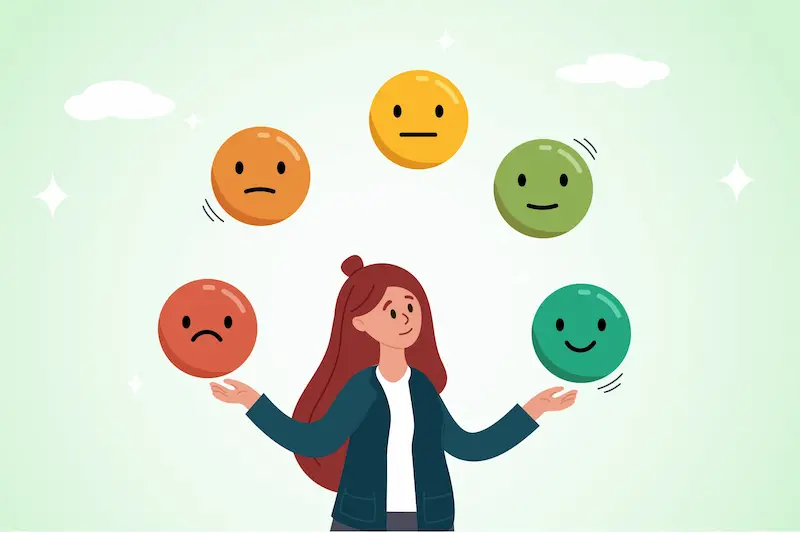
Emotional personal stories can vary widely, depending on the experiences and emotions involved. Here are some common types:
1. Stories of Loss and Grief
Losing a loved one, a job, or an opportunity can be devastating. Sharing these experiences and how you coped with them can be profoundly moving for both the storyteller and the audience.
2. Stories of Personal Triumph
These are stories about overcoming obstacles, whether it’s recovering from illness, achieving a goal against all odds, or breaking free from a limiting situation. They inspire and motivate others.
3. Stories of Love and Relationships
Relationships—whether romantic, familial, or friendships—are rich with emotional experiences. Sharing the joys, heartbreaks, or lessons learned from these relationships can deeply resonate with readers.
4. Stories of Kindness and Compassion
Acts of kindness, whether big or small, often leave a lasting impact. Sharing how someone’s compassion changed your life—or how your actions helped someone—can inspire readers to act with empathy.
5. Stories of Growth and Self-Discovery
Moments of self-realization, personal growth, or spiritual awakening make compelling emotional personal stories. They show how challenges, failures, and experiences shape who we are.
You may also like to read this:
Powerful Personal Life Stories To Inspire And Reflect
Real Life Personal Stories That Inspire And Motivate
True Personal Experiences: Lessons, Growth, And Life Stories
Inspirational Personal Stories of Success and Determination
Tips for Making Your Emotional Story Engaging
- Start with a Hook: Begin with a moment of intensity—a turning point, conflict, or emotional scene to draw readers in.
- Use Dialogue: Conversations make your story dynamic and relatable.
- Balance Emotions: Mix highs and lows to maintain engagement. A story that’s all sad or all happy can feel one-dimensional.
- End with Reflection or Hope: Give readers something to take away—an insight, a lesson, or a sense of hope.
FAQs About Emotional Personal Stories
Q1: Can anyone write an emotional personal story?
Absolutely. Every person has experiences worth sharing. What matters is authenticity and a willingness to reflect on your emotions.
Q2: How long should an emotional personal story be?
There’s no strict rule. Some stories are short and powerful, while others are long and detailed. The key is to include enough detail to evoke emotion and understanding.
Q3: Are emotional personal stories only about negative experiences?
Not at all. While struggles and hardships are common themes, joyful, inspiring, or even humorous personal experiences can be just as emotionally impactful.
Q4: Where can I share my emotional personal story?
You can share it in blogs, social media platforms, personal journals, podcasts, YouTube, or even through in-person conversations. Choose a medium that feels comfortable for you.
Q5: Can emotional personal stories help others?
Yes. They can inspire, provide comfort, build empathy, and even guide people through similar situations in their own lives.
Final Thoughts
Emotional personal stories are powerful tools for connection, healing, and inspiration. They remind us of our shared humanity and show the beauty in vulnerability. Whether you are reading someone else’s story or sharing your own, these narratives have the ability to leave a lasting impression.
Your personal experiences matter. Sharing your emotional personal story may not only help you process your feelings but could also provide hope, inspiration, or comfort to someone else. Never underestimate the impact your story can have—it could change a life, including your own.